






 Đặt lịch khám




Struggling with persistent neck and shoulder pain? You’re not alone. This guide by Docosan is for anyone, especially expats in Vietnam, seeking effective solutions. We’ll explore how physical therapy for neck and shoulder pain can help you through targeted exercises and professional treatments. Discover how to regain mobility, reduce discomfort, and improve your quality of life without invasive procedures.
Tóm tắt nội dung
Why choose physical therapy for neck and shoulder pain?
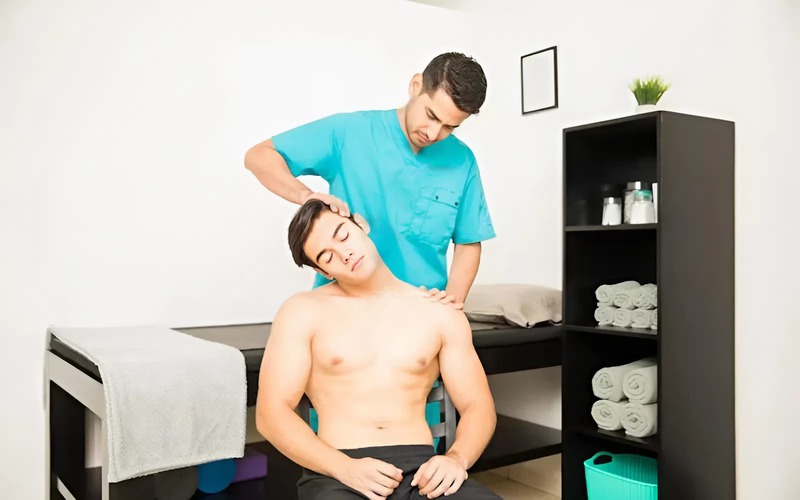
When considering physical therapy for neck and shoulder pain, you’re choosing a leading, safe, and effective solution. Here are some key benefits it offers:
- Reduces pain and improves circulation: Therapeutic exercises promote better blood flow to the injured areas, speeding up the natural healing process and alleviating pain and stiffness.
- Enhances flexibility and mobility: Specific stretches and movements target the neck, shoulder, and upper back joints, improving their range of motion and helping you regain full functionality.
- Strengthens muscles and corrects posture: Focus on strengthening key muscles that support proper posture and alignment. This reduces unnecessary strain on the neck and shoulders, preventing further discomfort or injury.
- A safe, personalized and non-surgical approach: Physical therapy takes a holistic approach to healing by identifying the root cause of pain and offering a non-invasive treatment plan tailored to your specific needs, helping you avoid medication or surgery.
Effective at-home exercises for pain relief

A key component of effective physical therapy for neck and shoulder pain involves simple, easy-to-follow exercises you can do at home. This guide will walk you through them, with clear categories to help you target specific areas and enhance your recovery efficiently.
Gentle neck stretches and rotations
Incorporating gentle neck stretches and rotations into your routine can help relieve tension, improve flexibility, and promote relaxation in the neck area. Here are two simple exercises to try:
- Side neck stretch: Sit or stand in a comfortable position with your back straight. Slowly tilt your head toward your shoulder, bringing your ear closer to it. Hold the stretch for 15 – 30 seconds, then slowly return to the starting position. Repeat on the other side. This stretch targets the muscles along the side of the neck, helping to alleviate tightness and increase flexibility.
- Neck rotation: Start by sitting or standing with good posture. Gently turn your head to the left, bringing your chin toward your shoulder, then slowly return to the center. Repeat this motion to the right side. Perform this exercise slowly, ensuring the movement is controlled, to safely stretch and mobilize the neck muscles. This helps improve rotation range and reduces stiffness.
These gentle movements, when performed regularly, can provide relief from neck tension and promote better overall neck mobility.
Shoulder and upper back mobility exercises
Improving shoulder and upper back mobility can help reduce stiffness, alleviate pain, and prevent future discomfort. Here are two simple exercises that target these areas:
- Shoulder shrugs and rotations: Begin by standing or sitting with your back straight. Inhale and shrug your shoulders up toward your ears, hold for a moment, then exhale as you slowly lower them back down. For shoulder rotations, roll your shoulders forward in a circular motion, then reverse the direction, rolling them backward. This combination of shrugging and rotating helps to release tension, improve circulation, and increase mobility in the shoulders and upper back.
- Thread the needle: Start in a tabletop position on your hands and knees. Slowly reach your right arm under your body and across to the left side, threading it through as far as possible. Allow your right shoulder and cheek to rest gently on the floor as you feel a stretch in the upper back and shoulders. Hold for 20-30 seconds, then return to the starting position and repeat on the opposite side. This movement helps open up the shoulders and upper back, enhancing mobility and relieving tightness.
Core strengthening and full-body support exercises

A strong core is essential for supporting the spine, improving posture, and alleviating neck and shoulder pain. These exercises focus on building core strength and providing full-body support:
- Cat-Cow pose: Start in a tabletop position. Inhale, drop your belly and lift your chest (Cow Pose). Exhale, round your back and tuck your chin (Cat Pose). This improves spinal flexibility and engages the core for better support.
- Sphinx pose: Lie on your stomach, elbows under shoulders, and press into the ground to lift your chest. This opens the chest, strengthens the lower back, and relieves shoulder pressure.
Find the right professional treatment in Vietnam

Vietnam offers a variety of high-quality healthcare options for foreigners, with many clinics and hospitals providing international-standard services. Here’s some helpful information to navigate your options:
When should you see a specialist?
It’s important to know when to seek help from a specialist for neck, shoulder, or back issues. Consider seeing a specialist if you experience:
- Severe or persistent pain: If the pain is intense or lasts for an extended period, it could indicate a more serious condition that requires professional evaluation and treatment.
- Neurological symptoms: If you experience numbness, weakness, or tingling in the arms, hands, or legs, these could be signs of nerve compression or damage, which need immediate attention.
- Pain following an injury: If you’ve had a recent injury (e.g., a fall, car accident, or sports-related injury) and experience significant pain or difficulty moving, it’s essential to consult a specialist to rule out fractures, ligament tears, or other severe conditions.
What to expect from professional care?
 At specialized centers offering Chiropractic adjustment, you can expect a comprehensive and non-invasive treatment experience. The Chiropractic method, an internationally recognized spinal nerve therapy from the US, is a drug-free and surgery-free approach that effectively supports conditions like herniated discs, back pain, neck and shoulder pain, and numbness in the limbs. A team of specialists from the US, with over 20 years of experience, works alongside highly skilled technicians to ensure accurate diagnoses and effective treatment strategies. Each patient receives a personalized treatment plan tailored to address the root cause of their symptoms, facilitating rapid recovery and preventing recurrence. The clinic is equipped with state-of-the-art, international-standard technology, adhering to the “3 NOs” principle: No injections, No medication, and No surgery. This ensures a safe, natural, and sustainable approach to healing. For in-depth consultation and treatment, you can find more information at: Optimal365 Chiropractic Spinal Musculoskeletal Therapy Center.
Frequently Asked Questions (FAQs)
How much does physical therapy for neck and shoulder pain cost in Vietnam?
The cost of treating neck and shoulder pain in Vietnam can vary depending on the treatment method, medical facility, and severity of the condition. Here’s a general breakdown per session:
- Physical therapy: Can range from 70,000 VND to 800,000 VND.
- Chiropractic adjustments: More specialized treatments may cost between 850,000 VND and 1,300,000 VND.
- Therapeutic massage: A session for neck and shoulder relief can cost from 350,000 VND to 500,000 VND.
How long does physical therapy take to work for neck pain?
The timeline can vary depending on the severity of the condition. However, many people feel significant improvement after a few weeks. A full course of treatment typically lasts from 4 to 8 weeks to achieve sustainable results.
Can physical therapy make my neck and shoulder pain worse?
Mild soreness after the first session is normal, similar to post-workout muscle ache. However, if you experience sharp pain or a significant increase in your pain level, stop immediately and inform your physical therapist. A properly designed program will not worsen your condition.
Can I use my international health insurance for treatment in Vietnam?
Yes, many high-quality clinics in Vietnam, especially those on the Docosan platform, have partnerships with international insurance companies. You should check in advance with both the clinic and your insurance provider about direct billing procedures or reimbursement. Read more:
- Physical Therapy Pricing at Reputable Clinics
- Top 8 Physical Therapy Clinics in Ho Chi Minh City (HCMC)
- The Physical Therapy and Rehabilitation Process
Managing neck and shoulder pain is achievable, and physical therapy for neck and shoulder pain offers a proven, non-invasive path to recovery. Combining professional guidance with consistent at-home care is the key to long-term relief. If you found this guide helpful, please share it with others or follow Docosan for more expert health insights.